
Los Angeles slip and fall attorney
A property owner has to keep the place reasonably safe. These cases usually come down to one question: did they know about the hazard, or should they have, and what did they do about it?
That’s a question of evidence, and the evidence doesn’t last.
The footage won’t last
Most stores, restaurants and parking garages record over their cameras within days or a couple of weeks. The video of your fall exists right now. If nobody asks the business in writing to keep it, it’s gone, and it’s your word against theirs.
Same goes for the manager’s incident report and the cleaning logs that show how often anyone actually checked. If you fell yesterday, call today.
The cases we take
Slip and fall
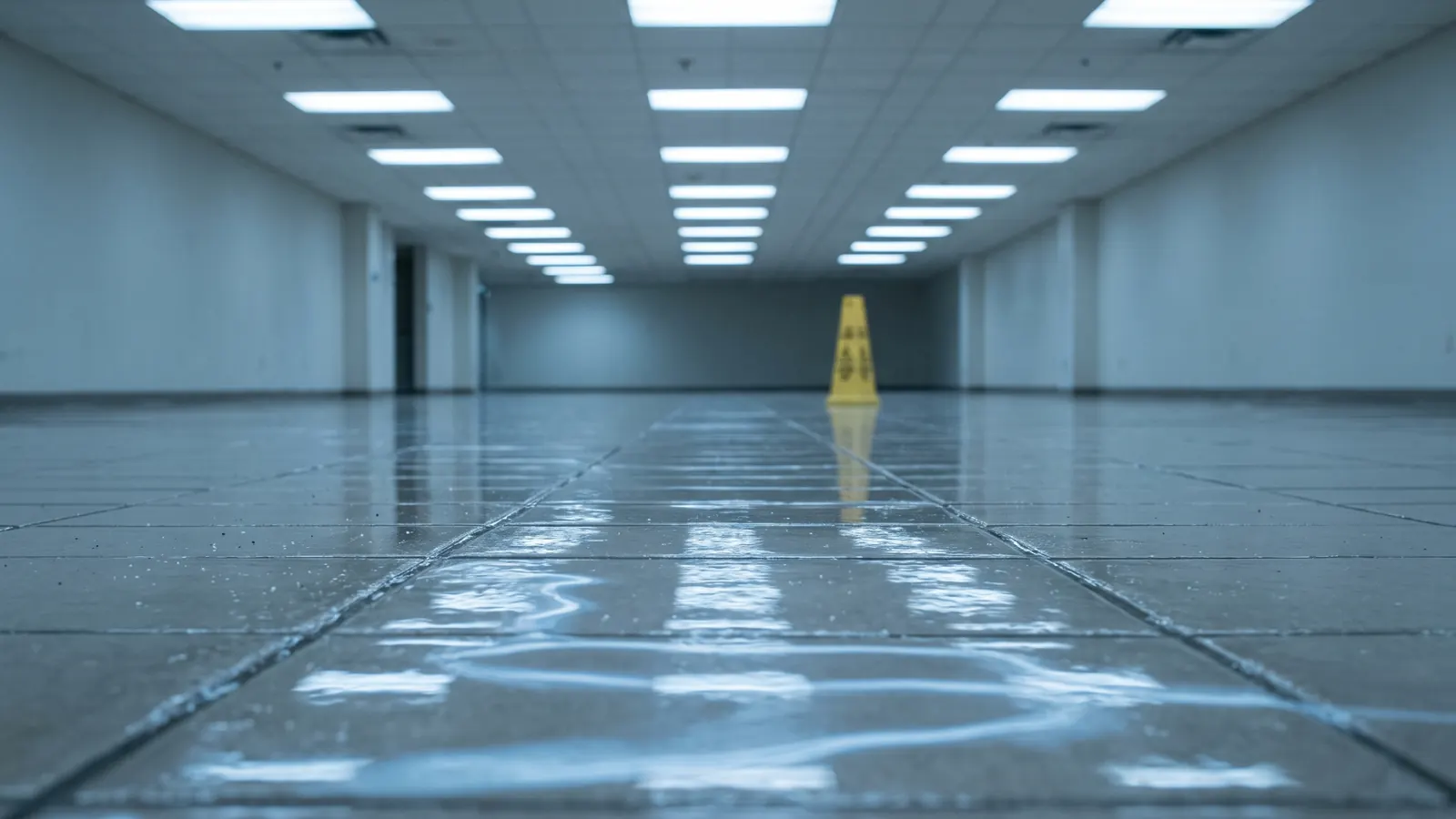
Wet floors, a spill nobody cleaned, a freshly mopped floor with no sign, rain tracked in.
Trip and fall
Uneven floors, broken sidewalk, torn carpet, loose cables, cluttered aisles. These turn on whether the hazard was obvious or hidden.
Stairs and handrails
Missing or broken rails, uneven steps, bad lighting. Building codes do a lot of the work here.
Concerts and venues
Overcrowding, poor crowd control, bad seating or walkways, thin security. Often more than one party is responsible.
Elevators and escalators
Mechanical failure, missed maintenance, sudden stops. The maintenance contractor is usually involved as well as the owner.
Inadequate security
An assault or robbery that happened because the lights were out, a lock was broken, or promised security wasn’t there. Common in apartment buildings and parking garages.
Swimming pools
No fence, missing safety equipment, no supervision. Especially when children are involved.
Falling objects and structural failures
Merchandise off a high shelf, unsecured shelving, a collapsing structure, a falling tree. Common in stores, warehouses and construction sites.
Amusement parks and gyms
Poorly maintained equipment, untrained staff, and safety rules that only existed on paper.
Lifeguards
More on lifeguard cases →California beaches and pools draw millions of visitors each year, and lifeguards play a critical role in keeping them safe. Under California law, lifeguards, whether employed by a municipality, state park or private resort, have a duty to actively monitor swimmers, respond promptly to signs of distress and enforce posted safety rules. When a lifeguard fails to act reasonably (missing clear warning signs, being distracted or responding too slowly to a struggling swimmer), that failure can amount to negligence.
Because many lifeguards are public employees, these cases often involve California’s government claims process, which comes with strict filing deadlines (as short as six months) and unique immunity rules that don’t apply to typical negligence claims. Private facilities, like hotel pools or water parks, face more standard premises liability rules but still owe guests a duty of care.
If you or a loved one was injured due to inadequate lifeguard supervision, the Law Offices of Joseph Johnson can help determine who’s responsible and what compensation may be available.
Dog bites are different
- California is a strict liability state for dog bites
- Under Civil Code section 3342, if you were bitten in a public place or lawfully on private property, the owner is liable. It doesn’t matter if the dog never bit anyone before. You don’t have to prove they knew, or that they were careless.
- But strict liability covers bites, and only bites
- If a dog knocks a child over and the child breaks an arm, the bite statute doesn’t apply. That’s a negligence claim, and it turns on whether the owner kept the dog under control. Knowing which one you have changes how the case is built.
What we do on a premises case
Get the incident report, maintenance logs and cleaning schedules, which show whether anyone was checking at all.
Prove the owner owed you a duty of care and failed to meet it.
Find everyone responsible. On a leased property that can be the owner, the tenant, the management company and a contractor.
Push back on “you should have watched where you were going,” which is the first thing the insurer will say.